Drunken Noodles for Spice Lovers: Turn Up the Heat
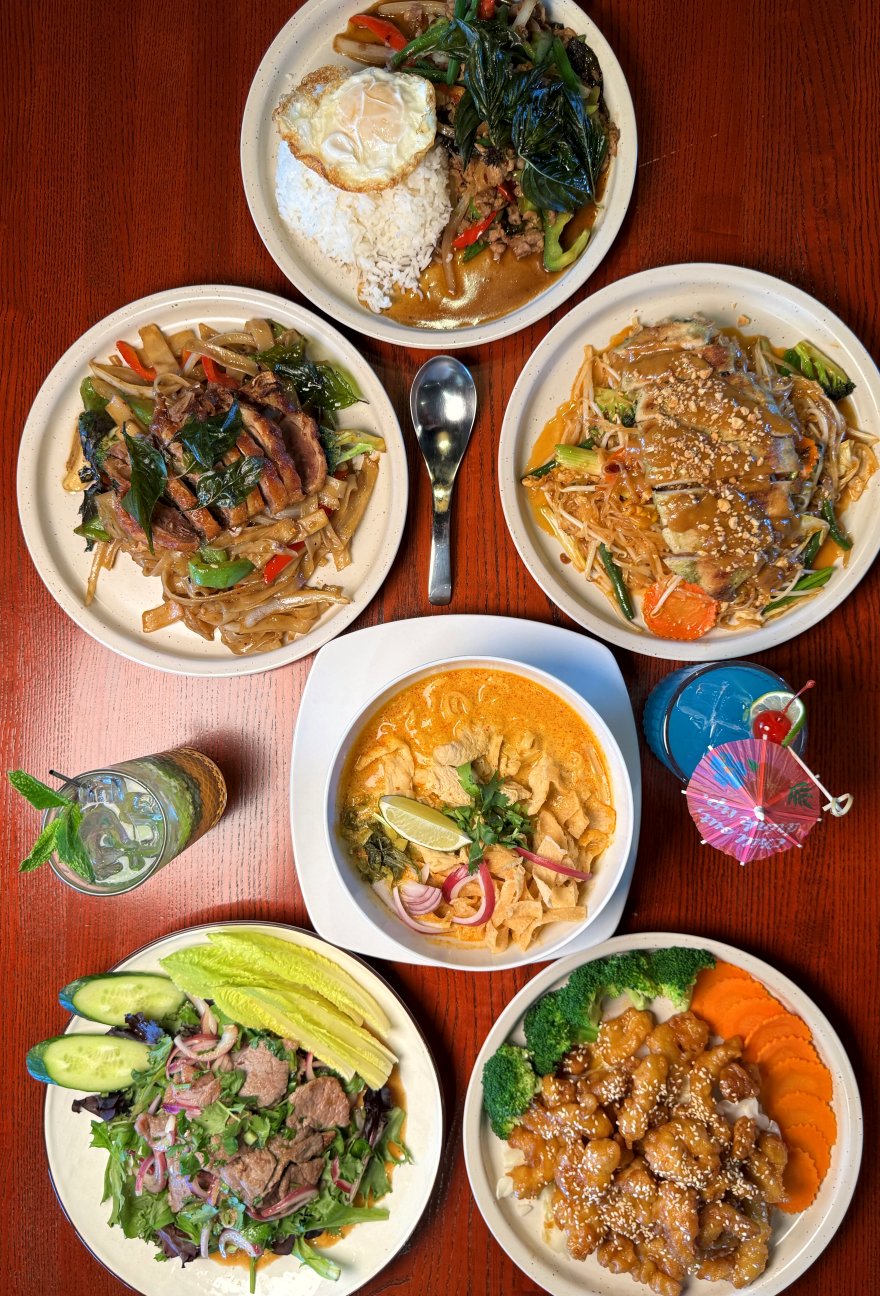
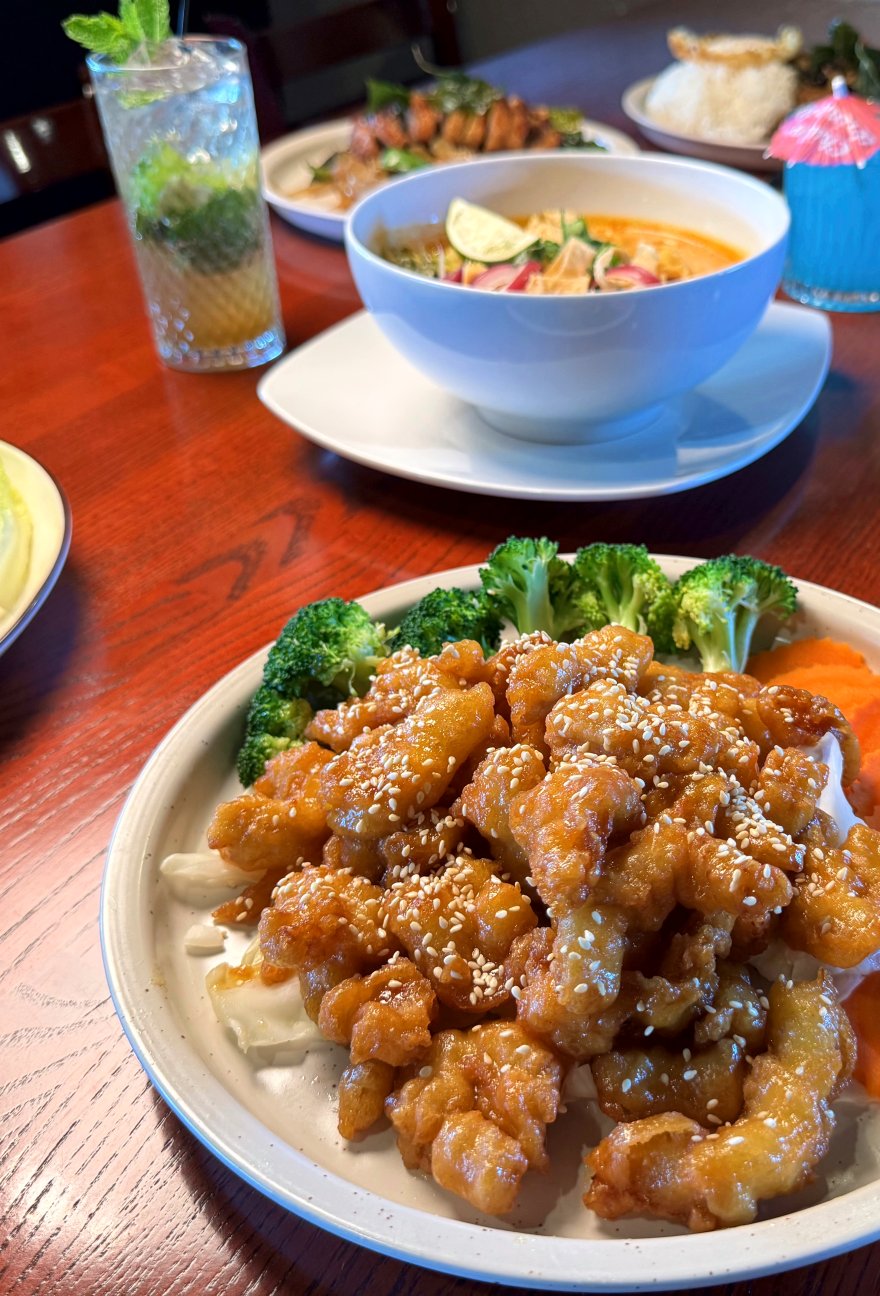

Drunken Noodles reward bold cooks. This is not a shy, delicate bowl of noodles where the sauce politely coats each strand and steps aside. A good plate arrives glossy, smoky, a little wild around the edges, and unapologetically hot. The first bite should deliver chew from the noodles, sweetness from basil and onion, deep savory notes from soy and oyster sauce, and then the chile heat should rise, slowly at first, then all at once.
That balance is what makes the dish so satisfying. People often focus on the spice because the name suggests excess and swagger, but the real craft lies in restraint. Heat without depth gets boring after three bites. Heat with salinity, aromatics, freshness, and a little caramelization keeps you reaching back into the bowl.
If you love spicy food, Drunken Noodles give you room to push further than many weeknight stir-fries. They can absorb serious chile intensity without collapsing into bitterness or pure burn. The wide rice noodles stand up to assertive sauce. Thai basil cools and perfumes the palate. Protein, if you add it, brings fat that softens the blow. Done properly, the dish remains vivid and layered even when the heat level edges into thrilling territory.
What Drunken Noodles are supposed to taste like
Plenty of home versions miss the point because they chase only one dimension. Some go heavy on soy and end up dark, salty, and flat. Others rely on sugar to imitate restaurant gloss. The best versions are more nuanced. They taste lightly charred from a very hot pan, savory from layered sauces, spicy from fresh chiles, and fragrant from basil added right at the end so it wilts rather than disappears.
Texture matters just as much. Fresh wide rice noodles should stay tender and slippery, with a slight bounce. Overworked noodles break and clump. Undercooked ones resist the sauce and feel gummy at the center. The vegetables, usually a mix of onion, bell pepper, and sometimes long beans or baby corn, should retain a little bite. This dish is not meant to be soft and stewy.
There is also a timing element that separates a memorable pan from an average one. Drunken Noodles cook fast. Once the wok or skillet is hot enough, you are working in minutes, not leisurely stages. That urgency creates the seared edges and quick reduction that define the dish. It is one reason restaurant versions can taste elusive at home. Many home stoves simply do not throw enough heat, so the pan fills with steam before the noodles can char. You can still make an excellent version, but you need to adapt your method.
The case for serious heat
Spice lovers tend to divide into two camps. One wants a clean, immediate attack, the kind of heat that announces itself before you have fully chewed. The other wants a slower climb, where each bite deepens the warmth until your forehead beads with sweat. Drunken Noodles can satisfy both, depending on which chiles you choose and how you use them.
Fresh Thai bird's eye chiles bring sharp, bright heat. Crushed dried chiles add a more rounded, persistent warmth and a faint toasted note. Chile paste can contribute body and fermentation, though too much will shift the dish away from its classic profile. In practice, I like using at least two forms of chile because layered heat tastes more interesting than raw aggression from a single source.
There is also the question of where the heat lands. If you fry chopped fresh chiles briefly with garlic, they perfume the oil and spread through the entire dish. If you stir sliced chiles in later, they create pockets of intensity. If you finish with a spoonful of chile vinegar or a pinch of fresh crushed chile, you add a top note that hits the nose and lips first. Those are not small distinctions. They change how the dish feels from the first bite to the last.
A very hot plate of Drunken Noodles should still let you identify basil, onion, soy, and the slight sweetness in the sauce. If all you can register is fire, you have crossed from bold into blunt.
Choosing noodles that can take the pressure
Wide rice noodles are the obvious choice, and for good reason. Their broad surface catches sauce, their tenderness contrasts with crunchy vegetables, and they tolerate chile better than thinner noodles, which can disappear under an aggressive seasoning load. Fresh wide rice noodles, often sold refrigerated or at Asian markets in folded sheets, are ideal. Separate them carefully. If they are cold and stiff, a short rest at room temperature or a quick warm-up helps loosen them without tearing.
Dried rice noodles work too, though they ask for more attention. Most package instructions lead people slightly astray for stir-frying because fully cooked noodles often turn mushy once they hit the pan. It is better to soak or boil them until just shy of tender, then finish them in the sauce. You want enough structure that they can be tossed hard in a hot wok without breaking apart.
If you cannot find rice noodles, you can make a satisfying spicy stir-fry with fresh wheat noodles, but it becomes a cousin rather than the classic dish. That is not a sin, just a different meal. What matters most is using a noodle with enough width and resilience to handle a forceful sauce and a hot pan.
The chile strategy that actually works
When cooks say they want extra spicy Drunken Noodles, they often do the simplest thing and dump in more chiles. That can work, but it is not always the smartest path. The seeds and membranes carry plenty of heat, yet the flesh carries flavor too. Finely chopped fresh chiles distribute evenly but can make the entire pan feel one-note. Larger slices create bursts. Pounded chiles release oils quickly and build a more aggressive base.
For most home kitchens, the strongest approach is to build heat in layers rather than trying to get all of it from one ingredient.
- Start with fresh bird's eye chiles, chopped or pounded with garlic.
- Add a smaller amount of dried chile, either flakes or broken whole pods, for depth.
- Taste the sauce before it hits the pan, then adjust with a touch of chile paste only if the dish needs body as well as heat.
- Finish with fresh basil and, if needed, a last-minute sprinkle of sliced raw chile for aroma.
That method gives you control. It also helps if you are cooking for people with different tolerance levels. The base can be hot but balanced, while individuals who want punishment can add more fresh chile at the table.
One practical note from hard experience: wear gloves if you are handling a serious quantity of bird's eye chiles. Capsaicin under a fingernail is unforgettable, and not in a charming way.
Sauce first, pan second
A lot of weeknight stir-fries forgive hesitation. Drunken Noodles do not. Your sauce should be mixed before the pan is heated, your vegetables cut, your protein cooked or at least ready to cook, your basil washed and dried, and your noodles loosened. Once you start, there is no graceful pause.
The sauce itself is usually built around dark soy sauce for color, light soy sauce or regular soy for salinity, oyster sauce for depth, and a small amount of sugar to round edges rather than make the dish sweet. Fish sauce often appears in stronger Thai-leaning versions and can add remarkable savory lift if used with care. Too much, and the noodles become harsh. Too little, and the sauce can feel blunt.
Water or stock has a role here too. Home cooks often leave it out because they fear a watery stir-fry. Yet a tablespoon or two helps the sauce spread before it reduces, especially on less powerful burners. Think of it as giving the noodles a few seconds to absorb flavor before the liquid cooks off.
This is also where heat tolerance intersects with balance. The hotter you make the dish, the more important the sauce composition becomes. Spice amplifies saltiness. It can also flatten sweetness if the sugar level is too low. The fix is not to dump in more sugar, but to make sure the sauce contains enough savory depth that the chile has something to work with.
The wok hei question, and what to do without restaurant fire
Restaurant Drunken Noodles often have that elusive singed aroma associated with wok hei, the breath of the wok. On a commercial burner, the flame climbs the sides, oils vaporize, and the noodles pick up smoky complexity in seconds. Most home stoves cannot replicate that exactly. Pretending otherwise leads to disappointment.
What you can do at home is chase the conditions that create the best possible version on your equipment. Use a large carbon steel wok if you have one, or a broad heavy skillet if you do not. Heat it until a drop of water skitters and vanishes. Cook in smaller batches than you think you need. Crowding is the enemy. It lowers the pan temperature and turns a fast stir-fry into a steamed tangle.
If you are cooking protein, especially chicken or beef, sear it first and remove it before building the aromatics. That keeps the pan hot and prevents the noodles from overcooking while the meat finishes. Vegetables go in next, then sauce, then noodles, then the protein returns. Basil always enters near the end. The leaves should wilt from residual heat and a few quick tosses, not stew.
I have seen many competent home cooks sabotage this dish by trying to make six restaurant portions in one skillet. The result is usually a puddle at the bottom and broken noodles above it. Make less, or cook in batches. The difference is dramatic.
Protein choices, and why some work better with spice
Chicken is common because it cooks quickly and absorbs sauce well. Thin slices of thigh meat are especially good, since thigh stays juicy under high heat and has enough fat to soften aggressive chile burn. Pork works similarly, especially shoulder sliced thin. Beef can be excellent, but it needs more precision. Overcook it and it turns tough before the noodles are ready. Shrimp bring sweetness and a clean contrast to the heat, though they can overcook in less than a minute.
Tofu deserves more respect in this dish than it usually gets. Properly pressed and seared tofu acts like a sponge for sauce and offers a calm, creamy interior that counterbalances the chiles. For vegetarian versions, mushrooms add the savory depth often lost without oyster sauce and fish sauce. A combination of king oyster mushrooms for texture and shiitakes for aroma can produce a deeply satisfying bowl.
What matters most is proportion. Too much protein and the dish feels like stir-fried meat with incidental noodles. Too little and the spice can read as harsher because there is less fat and texture to moderate it. In a home batch serving two to three people, around 8 to 12 ounces of protein is usually enough.
Basil is not a garnish here
Thai basil is central, not decorative. It brings anise-like sweetness, a cool aromatic lift, and a green freshness that keeps the dish from feeling heavy. Sweet Italian basil can stand in if necessary, but it changes the personality. Thai basil has sturdier leaves and a sharper scent that survives high heat better.
This is one of those ingredients that seems optional until you taste the dish without it. Then the whole structure feels flatter. The basil does not reduce the heat exactly, but it changes your perception of it. The aroma rounds the edges of the chile and makes the sauce feel more dimensional.
Be generous. A sparse scattering on top is not enough. You want a handful tossed through so that every few bites carry that fragrant note. If you have ever wondered why your home Drunken Noodles taste salty and spicy but not quite complete, missing basil is often the culprit.
Common mistakes that dull the heat instead of elevating it
Spice lovers usually assume their biggest risk is under-seasoning. More often, the real danger is muddying the dish so badly that the heat has nowhere to shine. A few mistakes come up repeatedly.
- Overloading the pan with vegetables that release too much water, especially mushrooms or zucchini, which steam the noodles and dilute the sauce.
- Using too much dark soy sauce, which gives color but can make the dish taste heavy and slightly bitter.
- Letting the noodles sit in a bowl of sauce before stir-frying, which makes them absorb liquid unevenly and tear.
- Adding basil too early, which kills its perfume and leaves green flecks with none of the intended aroma.
A cleaner, hotter dish often comes from removing excess rather than piling more ingredients on.
How to tune the heat without ruining balance
If you are cooking for dedicated spice lovers, there is a temptation to announce your ambition with the highest possible Scoville number. That is fine for hot sauce culture, but it is not always wise in this dish. Extremely fruity super-hot peppers can clash with the savory profile, and their lingering bitterness can overwhelm basil and oyster sauce. Bird's eye chiles remain popular because their heat is intense but relatively direct.
For an aggressively spicy but still classic-tasting pan, I recommend increasing the quantity of bird's eye chiles first, then adjusting with dried chile flakes. If you need more force after that, add a small spoon of sambal oelek or another fairly neutral chile paste rather than a smoky or heavily seasoned hot sauce. Hot sauce often introduces vinegar, garlic, sugar, and spices that pull the dish in another direction.
There is also a useful trick with oil. Briefly frying the chopped chiles and garlic in a little more oil than you think you need helps disperse capsaicin across the dish. The noodles taste hotter even if the total number of chiles stays the same. It is a more elegant move than doubling the pepper load and hoping for the best.
A home-cook blueprint for a fiery pan
This is not a rigid recipe, but a practical rhythm that works. Get your pan very hot. Sear your protein and remove it. Add oil if the pan looks dry, then fry chopped garlic and fresh chiles for only a few seconds, just until fragrant. Add onions and peppers and keep them moving so they char lightly without going limp. Return the protein, pour in the sauce, then add the loosened noodles. Toss hard and quickly. The noodles should absorb and gloss over, not swim. Add basil last and toss just until wilted.
https://maps.app.goo.gl/wEbpDYfz5VjY5inF9The whole thing, once the pan is hot, can happen in three to five minutes. That speed surprises people the first time. It also explains why mise en place matters so much. You cannot stop halfway through to hunt for fish sauce or strip basil leaves from their stems.
If your noodles clump, do not attack them with frantic stirring. Let them sit for a few seconds against the pan, then lift and separate gently with tongs or a spatula. Rice noodles are more fragile than they look.
What to serve with it, especially when the heat gets serious
Drunken Noodles can absolutely stand alone, especially if they include enough vegetables and protein. But when the spice level climbs, thoughtful pairings matter. Something crisp and cool on the side helps reset the palate without muting the dish. Sliced cucumber dressed lightly with rice vinegar does the job. So does a plain wedge of lime, squeezed sparingly for brightness. A fried egg on top is another strong move. The yolk softens the heat and adds richness without changing the character of the noodles.
Beer is the cliché pairing, and there is truth behind it, though not all beer helps. Bitter hops can make chile feel harsher. Lighter lagers or wheat beers tend to work better. If you prefer nonalcoholic options, iced tea with little sugar is surprisingly effective. Sweet drinks can cool the burn at first, but they often leave the mouth feeling coated and make the next bite taste hotter.
One edge case is worth mentioning. If you push the dish into truly punishing heat, acidic sides become more important because capsaicin can make rich sauces feel oppressive after a few bites. A little lime, a quick pickle, or fresh cucumber can keep the bowl lively.
Why this dish keeps earning repeat cravings
There are many spicy noodle dishes in the world, but Drunken Noodles occupy a special place because they offer more than pain and starch. They deliver contrast. Soft noodles meet crisp vegetables. Sweet basil meets sharp chile. Savory sauce meets flashes of char. The dish feels indulgent but not ponderous, fiery but not empty.
That complexity is why people who claim to love extreme heat often come back to this bowl. It gives the burn a framework. The spice has context. It belongs to a complete dish rather than floating on top as a dare.
For home cooks, it is also a satisfying benchmark. Once you learn how to manage the pan heat, balance the sauce, and layer the chiles, you gain a stir-fry skill set that carries into dozens of other meals. More importantly, you stop thinking of spice as a blunt instrument. You begin to treat it as structure.
And that is where Drunken Noodles become especially compelling for spice lovers. Turning up the heat is easy. Turning it up while preserving chew, aroma, gloss, and balance is the real craft. Get that right, and the bowl does not just burn. It sings.
Nakhon Luang Thai Kitchen
Address: 805 Village Center Dr, Colorado Springs, CO 80919
Phone number: +17195315175
FAQ About Drunken Noodles
What makes it drunken noodles?
Drunken noodles, or Pad Kee Mao, get their name from the Thai word khi mao (meaning "drunkard"). They contain no alcohol. The name comes from the idea that the dish is a popular late-night meal to cure a hangover or a great food to eat with a cold beer.
What is the difference between pad see ew and drunken noodles?
While both Pad See Ew and Drunken Noodles use the same wide rice noodles, Pad See Ew is a mild, sweet-savory dish made with dark soy sauce and Chinese broccoli, whereas Drunken Noodles (Pad Kee Mao) are fiery, garlicky, and herbaceous with fresh chilies and Thai basil.
What are traditional drunken noodles?
Traditional drunken noodles, known as Pad Kee Mao in Thai, are a fiery, savory street food stir-fry made with wide flat rice noodles, fresh garlic, lots of hot chilies, meat or tofu, and fragrant holy basil. Despite the name, they contain no alcohol; the dish is traditionally eaten late at night or as a hangover cure because the intense spice helps clear the head.